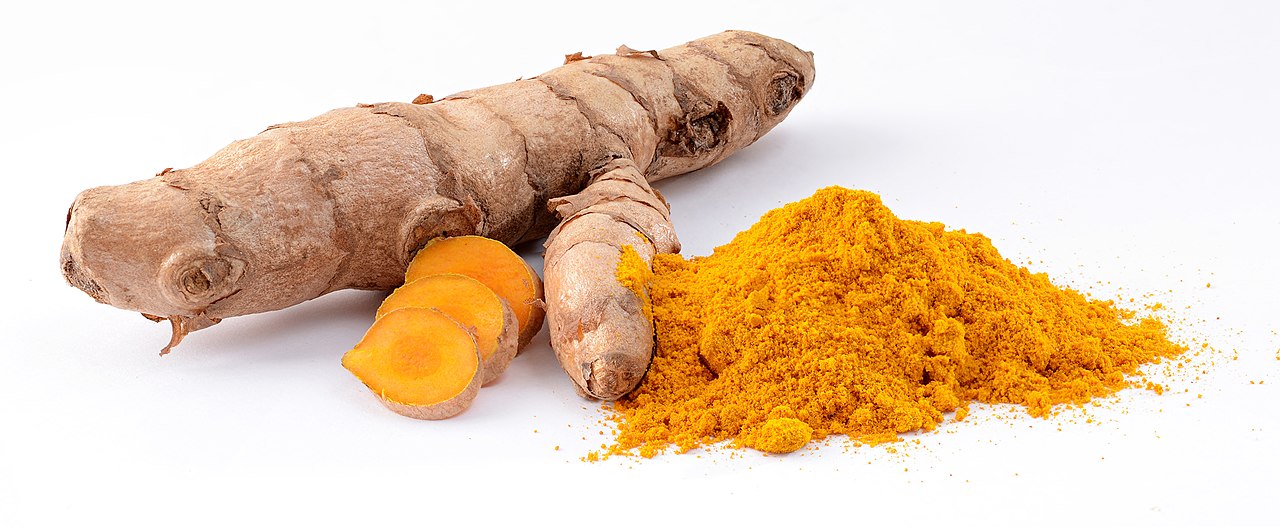
→ Preparations from this Plant (3)
Botanical Description
A perennial flowering plant of the ginger family, cultivated for its rhizomes which are used as a spice, coloring agent, and in traditional medicine. Known for its bright yellow color and warm, bitter taste.
Taxonomic Classification
- Kingdom
- Plantae
- Phylum
- Tracheophyta
- Class
- Liliopsida
- Order
- Zingiberales
Distribution & Habitat
Origin
South Asia, specifically the Indian subcontinent. Cultivated for over 4,500 years.
Habitat
Tropical and subtropical regions. Requires warm, humid climate with well-drained, fertile soil. Annual rainfall of 1000-2000mm.
Geographical Distribution
India (largest producer), Bangladesh, Pakistan, Sri Lanka, Taiwan, China, Myanmar, Indonesia, and other tropical regions.
Plant Characteristics
- Growth Form
- Herb
- Lifecycle
- Perennial
⚗ Chemical Compounds
🌿 Plant Parts
🧬 DNA Barcode
⚗️ Chemical Profile
Chemical Components
2-5 %
Main curcuminoid; provides yellow color and most therapeutic effects
15-40 % of essential oil
Main volatile compound in turmeric oil; includes α-turmerone, β-turmerone, ar-turmerone
2.5-6 %
Contains turmerones, zingiberene, α-phellandrene, cineole
Various flavonoids including quercetin
Turmeric polysaccharides with immunomodulatory activity